
Understanding the Basics of Gambling A Beginner's Guide
What is Gambling?
Gambling is the act of risking money or valuables on an event with an uncertain outcome, primarily with the intention of winning additional money or material goods. This activity has been part of human culture for centuries, evolving from simple games of chance to complex systems involving strategy and skill. It encompasses various forms, including casino games, sports betting, lotteries, and online gambling, appealing to a wide range of participants. As you explore the thrilling options, you might also want to check out Ice Fishing Live free play for a unique gaming experience.

The fundamental principle behind gambling is the balance between risk and reward. Players are often drawn in by the possibility of winning big, yet it’s important to understand that with any form of gambling comes the inherent risk of losing money. This duality makes gambling both thrilling and potentially dangerous, necessitating a responsible approach from participants.
In essence, gambling involves not only luck but also skill in some cases. For instance, poker requires a strategic mindset to outperform opponents, while games like slots are purely luck-based. Understanding these nuances can help beginners make informed decisions about how to engage in gambling activities.
Types of Gambling
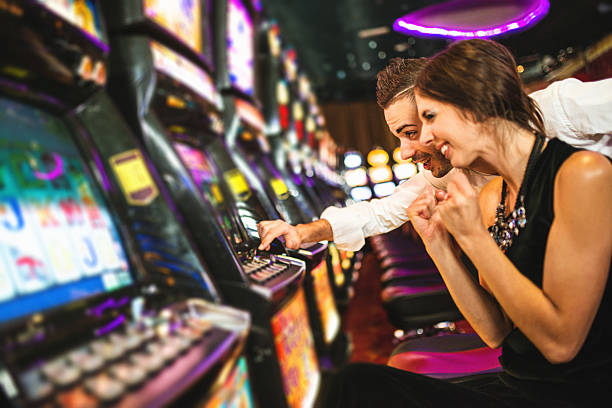
The landscape of gambling is diverse, featuring several popular types, each with its unique characteristics. Casino games, which include poker, blackjack, and roulette, are perhaps the most recognized forms. These games often attract players due to the vibrant atmosphere and social interactions they offer. Casinos provide a range of options that cater to different preferences, from high-stakes tables to casual gaming experiences.
Sports betting is another popular form of gambling, allowing participants to place wagers on the outcomes of sporting events. This type has seen significant growth, especially with the advent of online platforms that make it more accessible. Enthusiasts often engage in detailed analysis of teams, players, and statistics to enhance their chances of winning, blending passion for sports with the thrill of wagering.
Online gambling has revolutionized the industry, providing players with the convenience of playing from their homes. Platforms offer a wide variety of games, from traditional table games to innovative new formats. Virtual casinos often include features like live dealers to create an authentic experience, making them a popular choice for both novices and seasoned gamblers alike.
The Psychology of Gambling
Understanding the psychology behind gambling is crucial for both players and operators. Many individuals are drawn to gambling due to the thrill of risk-taking and the excitement of potential rewards. The thrill of winning can trigger a dopamine release in the brain, creating a pleasurable experience that can lead to repeated behavior. However, this can also lead to problematic gambling behaviors if not managed responsibly.
Many gamblers experience a phenomenon known as the “gambler’s fallacy,” where they believe that previous outcomes influence future results. For example, a player might think that a particular slot machine is “due” for a payout after a series of losses, which can lead to increased bets and higher risks. Understanding these psychological traps is essential for developing a healthy approach to gambling.
Moreover, casinos and gambling platforms often employ various techniques to enhance player engagement. These can include loyalty programs, bonuses, and engaging game designs that keep players returning. It’s important for individuals to be aware of these tactics and to establish personal limits to maintain a balanced approach to gambling.
Responsible Gambling Practices
Embracing responsible gambling practices is essential for ensuring a safe and enjoyable experience. Setting personal limits on time and money spent can help individuals avoid the pitfalls of gambling addiction. Players should clearly define their budgets before engaging in any gambling activity and stick to them, treating any losses as the cost of entertainment rather than as an investment.
Additionally, recognizing the signs of problem gambling is crucial. Symptoms may include neglecting personal responsibilities, feelings of anxiety when not gambling, or chasing losses. If individuals identify these behaviors in themselves or others, seeking help from professionals or support groups can provide necessary assistance.
Education is a powerful tool for promoting responsible gambling. Many organizations offer resources and tools for players to understand the risks involved and encourage them to play within their means. Learning about the odds, probabilities, and the house edge of various games can empower players to make informed choices, enhancing their overall experience.
Conclusion: Your Gambling Journey
Embarking on your gambling journey can be an exciting endeavor, filled with opportunities for entertainment and social interaction. However, it’s vital to approach this world with a clear understanding of its complexities. By familiarizing yourself with the various types of gambling, the psychological aspects involved, and the importance of responsible practices, you can create a balanced and enjoyable experience.
Whether you’re interested in the thrill of live casino games, the strategy of poker, or the convenience of online platforms, there are countless opportunities awaiting you. Remember to prioritize education and self-awareness as you navigate your gambling experience. With the right approach, you can enjoy all that the gambling world has to offer while minimizing risks.